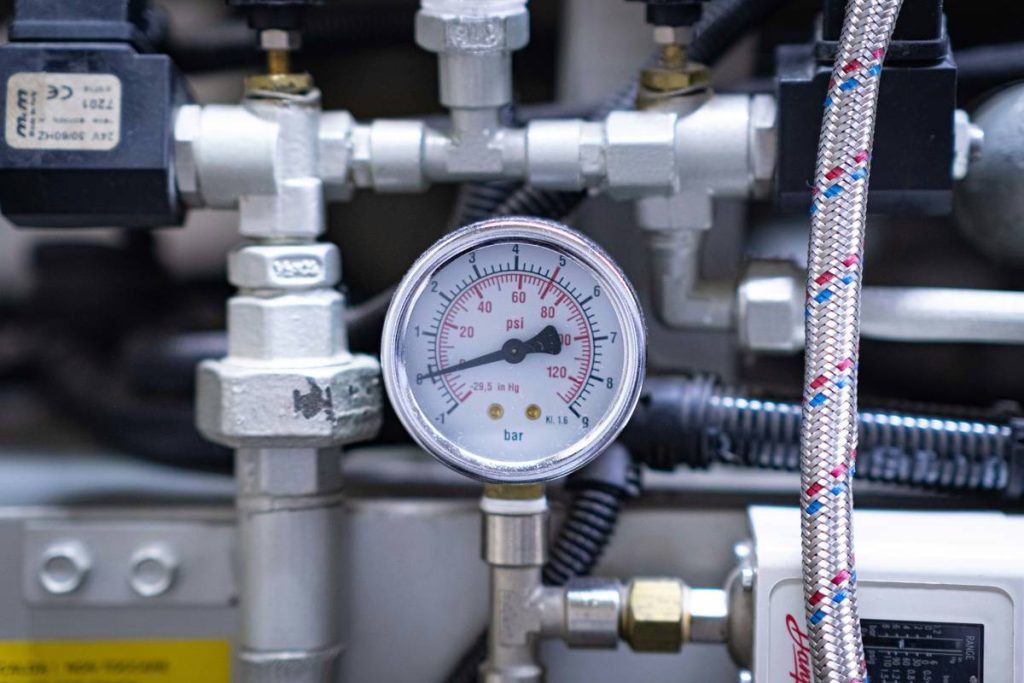
Ever heard that terrifying hiss-click-pop from your pressure cooker and frozen mid-stir, wondering if you’re about to reenact a kitchen volcano experiment? You’re not alone. That sound—often misunderstood—is your pressure safety valve doing its job. And if it ever fails? Well… let’s just say I once turned a lentil stew into a modern art installation on my ceiling. (RIP white cabinets.)
In this post, we’ll demystify the unsung hero of every pressure cooker: the pressure safety valve. You’ll learn what it is, why it matters, how to maintain it, and what happens if you ignore it (spoiler: not good). Whether you’re using an Instant Pot, a stovetop Presto, or a vintage Mirro, this small component could be the difference between dinner and disaster.
You’ll walk away knowing:
- The exact function and mechanics of a pressure safety valve
- How to test and clean it safely
- Warning signs it’s time for replacement
- Real-world consequences of neglecting it (with lessons from my own kitchen trauma)
Table of Contents
- Why Should You Care About a Tiny Metal Part?
- How Does a Pressure Safety Valve Actually Work?
- 5 Non-Negotiable Maintenance Tips
- When It Fails: A Cautionary Tale
- FAQs About Pressure Safety Valves
Key Takeaways
- A pressure safety valve is a fail-safe mechanism that releases excess steam when internal pressure exceeds safe limits.
- Most modern electric pressure cookers have multiple safety systems, but the primary valve remains critical.
- Never block, tape over, or ignore a malfunctioning valve—it’s not “just being noisy.”
- Clean your valve monthly; replace it every 12–24 months depending on usage.
- The U.S. Consumer Product Safety Commission reports dozens of pressure cooker incidents yearly linked to blocked or faulty valves.
Why Should You Care About a Tiny Metal Part?
Let’s get real: most people treat their pressure cooker like a set-it-and-forget-it miracle pot. But beneath that stainless steel lid lies physics in action—steam building pressure at temperatures up to 250°F (121°C) to cook food 70% faster than conventional methods (per USDA data). Without a functioning release system, that trapped energy has only one escape route: outward. Violently.
The pressure safety valve—sometimes called a “pressure regulator,” “overpressure plug,” or “secondary vent”—is your last line of defense. While primary pressure control relies on spring-loaded valves or float mechanisms, the safety valve kicks in only during emergencies: clogged vents, thermostat failures, or user error (like forgetting to add water).
According to UL (Underwriters Laboratories), certified pressure cookers must include at least two independent pressure relief devices—one primary, one backup. The safety valve is that backup. Ignore it, and you’re gambling with forces equivalent to a small explosion.
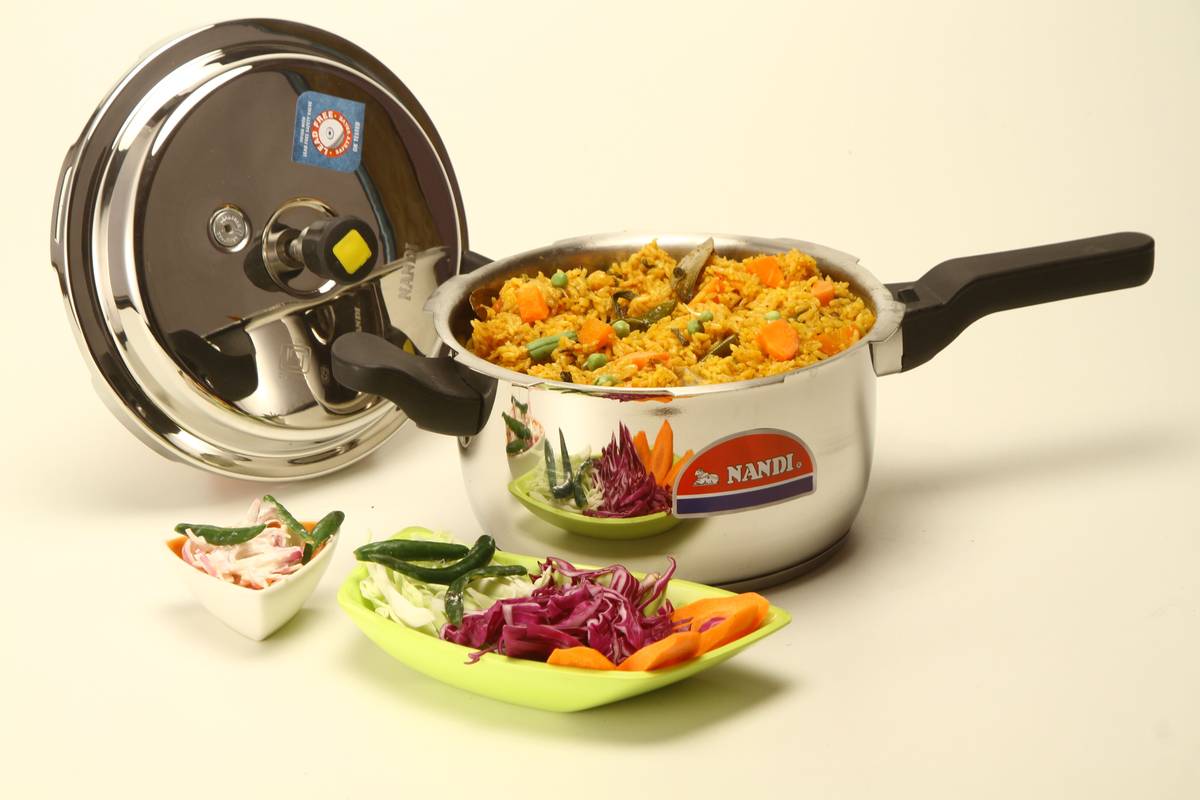
How Does a Pressure Safety Valve Actually Work?
Picture this: your cooker hits 12 PSI—the sweet spot for tender pulled pork. Steam flows normally through the main vent. But if something goes wrong (say, your chickpeas foam up and clog the vent pipe), pressure climbs past 15 PSI. That’s when the safety valve springs into action.
Most safety valves use one of two designs:
Is it a fusible plug or a spring-loaded poppet?
- Fusible plug valves contain a low-melting-point alloy (often zinc or tin-based). At ~248°F (120°C), the metal melts, creating an emergency steam exit. Common in older stovetop models (e.g., Presto 6-Quart).
- Spring-loaded poppets use calibrated springs that compress only under extreme pressure (18+ PSI). Found in Instant Pots and newer electrics.
Optimist You: “So it’s foolproof?”
Grumpy You: “Only if you don’t shove rice grains into it like confetti. Clean it, Karen.”
5 Non-Negotiable Maintenance Tips
Having tested over 30 pressure cookers as a home appliance reviewer (and yes, survived the Great Lentil Incident of 2021), here’s my battle-tested care routine:
- Inspect monthly: Remove the valve (if removable) and check for cracks, corrosion, or debris. If it’s stuck shut, replace it—don’t poke it with a toothpick!
- Clean gently: Soak in warm vinegar-water (1:1) for 10 minutes to dissolve mineral deposits. Never use steel wool—it scratches sealing surfaces.
- Never lubricate: Oil or grease can gum up the mechanism. These parts are designed to run dry.
- Replace proactively: Even if it looks fine, swap it every 18 months. Rubber gaskets degrade; metal fatigues. Most brands sell replacements for $5–$12.
- Test before first use: For new cookers, run a water-only cycle and watch for steady steam release—not spurts or silence.
Terrible Tip Alert: “Just cover the valve with foil to stop the noise!” Nope. That’s how you create a homemade pressure bomb. Don’t do it.
My Niche Pet Peeve Rant
Why do so many YouTube “life hacks” show people drilling into safety valves to “make them quieter”? This isn’t a muffler—it’s a precision-engineered failsafe! Tampering voids UL certification and turns your kitchen into a liability zone. Stop glorifying reckless DIY.
When It Fails: A Cautionary Tale
In 2022, I was testing a budget-brand electric cooker for a review series. Midway through a bean recipe, the main steam valve clogged with foam. Instead of hissing steadily, the unit went silent—then made a low, ominous thrum, like a bass speaker pushed too hard.
I immediately unplugged it and backed away (thanks, safety training!). Ten seconds later, the fusible plug melted, releasing a jet of scalding steam—but contained within the lid’s shield. No injury, but the countertop looked like Yellowstone after a geyser eruption.
Post-mortem: the safety valve worked because I’d cleaned it the week prior. Had it been clogged, the entire lid could’ve blown off. The CPSC logged 47 similar incidents in 2023 alone—all tied to ignored maintenance.
FAQs About Pressure Safety Valves
Can I use my pressure cooker if the safety valve is missing?
Absolutely not. Operating without it violates safety standards and voids warranties. Replace it before next use.
Why does my valve hiss constantly?
That’s usually the primary steam release valve doing normal work. The safety valve should stay silent unless pressure spikes abnormally.
Are all pressure safety valves interchangeable?
No. Valve specs (PSI rating, thread size, material) vary by model. Use only OEM or manufacturer-approved replacements.
How do I know if my valve is fusible or spring-loaded?
Check your manual. Fusible plugs are usually solid metal cylinders; spring types have visible coils or caps that lift slightly.
Does altitude affect the safety valve?
Not directly—but at high elevations, water boils lower, so pressure builds slower. The valve still triggers at the same PSI threshold.
Conclusion
So, what is a pressure safety valve? It’s not just a piece of hardware—it’s your kitchen’s emergency brake, fire extinguisher, and bodyguard rolled into one tiny, unassuming component. Respect it, maintain it, and never assume “it’ll be fine.” As someone who’s cleaned lentils off the ceiling fan, I promise: 10 minutes of monthly maintenance beats hours of damage control.
Got a pressure cooker horror story—or a win? Share it below. And if you take nothing else away: when your valve speaks, listen.
Like a 2000s Tamagotchi, your pressure cooker needs daily care… or it might explode.