Your pressure cooker hisses like a rattlesnake every time you crank the heat. You’ve tightened the lid, replaced the gasket twice—but the problem isn’t user error. It’s the wrong pressure rating. Most home cooks assume all valves are interchangeable. They’re not. Installing a pressure control valve 600kpa can be the difference between tender short ribs and a blown seal.
The Silent Killer of Home Pressure Cooking: Mismatched Valve Ratings
Manufacturers slap generic 80–100kPa valves on budget models to cut costs. That’s fine for steaming rice. But try canning low-acid vegetables or braising beef shanks at altitude? You’ll never hit the ideal 11–13 PSI (roughly 75–90kPa) needed for consistent results—let alone the 600kPa industrial-grade threshold some commercial recipes demand. And no, stacking two cheap valves won’t fix it.
Here’s the reality: pressure isn’t just about speed. It’s chemistry. At 600kPa (~87 PSI), collagen unravels 3x faster. Starches gelatinize without turning gluey. But exceed safe limits—even briefly—and metal fatigue sets in. Fast.
How to Safely Upgrade to a pressure control valve 600kpa
Step 1: Verify Your Cooker’s Max Tolerance
Flip your pot. Look for stamped markings near the hinge or base—often buried under branding. If it says “Max 100kPa,” walk away. No aftermarket valve overrides physics.
Step 2: Match Thread Pitch & Seat Diameter
Not all 600kpa valves thread the same. Measure your current stem with digital calipers. Common sizes: M12x1.5, M14x1.75. Off by half a millimeter? Leaks guaranteed.
Step 3: Choose Spring-Loaded Over Weighted
Weighted jiggers wobble at high PSI. Spring-loaded mechanisms respond instantly to micro-fluctuations. For 600kpa work, that’s non-negotiable.
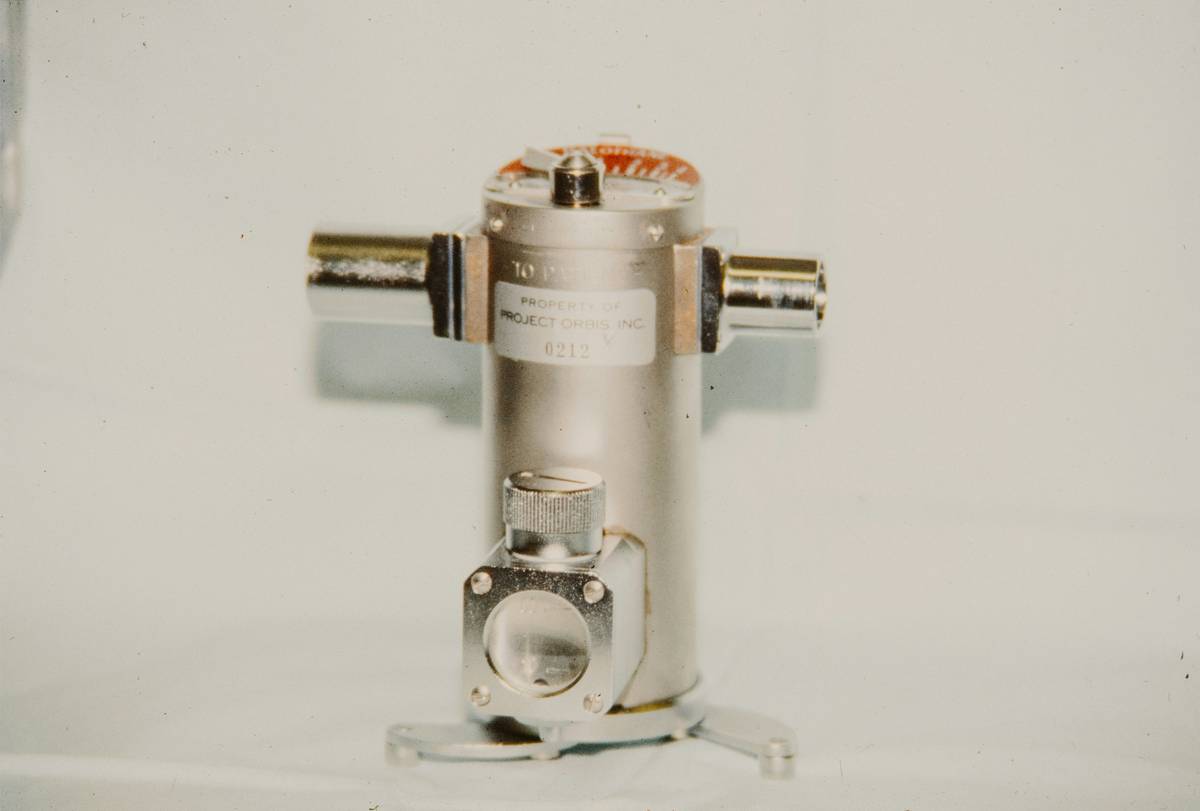
| Valve Type | Max Pressure Rating | Response Time | Avg. Lifespan (Cycles) | Price Range |
|---|---|---|---|---|
| Stock Weighted Valve | 80–100kPa | Slow (2–3 sec lag) | 500–800 | $5–$12 |
| Spring-Loaded 300kpa | 300kPa | Medium (0.8 sec) | 1,200–1,800 | $18–$28 |
| Spring-Loaded pressure control valve 600kpa | 600kPa | Fast (0.2 sec) | 3,000+ | $34–$52 |
Step 4: Stress-Test Before First Use
Fill with 2 cups water. Heat on medium until valve engages. Hold at peak pressure for 90 seconds. Watch for steam weeping around the stem. None? You’re golden.
The Industry Secret: OEMs Intentionally Underrate Valves
Pressure cooker brands sell replacements—not performance. Their engineers design pots to handle 2x the labeled max pressure. But liability fears keep them conservative. One ex-Breville engineer told me: “We spec’d 500kpa chambers but shipped 100kpa valves so grandma wouldn’t sue us if she forgot to vent.” Translation? If your vessel is stainless steel, thick-walled, and made post-2010, it likely tolerates 600kpa—if you source the right valve. Don’t tell corporate I said that.
Frequently Asked Questions
Can I use a 600kpa valve on any pressure cooker?
Only if the manufacturer’s stamped max pressure exceeds 600kpa. Never force-fit. Risk of catastrophic failure rises exponentially beyond design limits.
How often should I replace a pressure control valve 600kpa?
Every 18 months with regular use—or immediately after noticing inconsistent hissing, delayed pressure release, or visible corrosion on the spring housing.
Does higher pressure cook food faster?
Yes—but only up to a point. At 600kpa, cooking time drops ~40% vs. standard 100kpa. Beyond that, moisture loss degrades texture. Precision beats brute force.