Ever heard that unsettling hiss-click-whirr from your pressure cooker and wondered if it’s about to turn your kitchen into a scene from a sci-fi thriller? You’re not alone. In 2023, the U.S. Consumer Product Safety Commission logged over 1,200 incidents tied to malfunctioning pressure-release mechanisms in home appliances—many involving hot water boiler pressure valves.
If you own or use a stovetop or electric pressure cooker (yes, even your beloved Instant Pot), understanding how its hot water boiler pressure valve works isn’t just technical trivia—it’s kitchen-critical safety intelligence.
In this post, I’ll pull back the lid (safely, of course) on everything you need to know about pressure relief systems: why they matter, how to test them, when to replace them, and the one “maintenance hack” that could actually get you hurt. You’ll walk away knowing exactly how to keep your cooker—and your family—safe.
Table of Contents
- Why Does a Hot Water Boiler Pressure Valve Even Exist?
- How to Inspect & Test Your Pressure Valve (Step-by-Step)
- 5 Best Practices for Long-Term Valve Safety
- Real Talk: When My Stovetop Cooker Nearly Became a Rocket
- FAQs About Hot Water Boiler Pressure Valves
Key Takeaways
- The hot water boiler pressure valve is a non-negotiable safety component—it prevents catastrophic overpressure in pressure cookers.
- Most pressure cooker accidents stem from clogged, corroded, or improperly installed valves—not user error alone.
- You should test the valve manually before every high-pressure use and deep-clean it monthly.
- Never disable, tape over, or “modify” your pressure valve—even if steam seems excessive.
- Replacement valves are cheap ($8–$25) but must be model-specific; universal swaps risk failure.
Why Does a Hot Water Boiler Pressure Valve Even Exist?
Let’s cut through the steam: your pressure cooker isn’t just trapping heat—it’s creating a controlled environment where water boils at temperatures above 212°F (100°C). At 15 psi (pounds per square inch)—standard for many stovetop models—the boiling point rises to ~250°F. That extra heat slashes cooking time by up to 70%. But physics doesn’t negotiate: contain that much energy without an escape route, and you’ve got a bomb, not a pot.
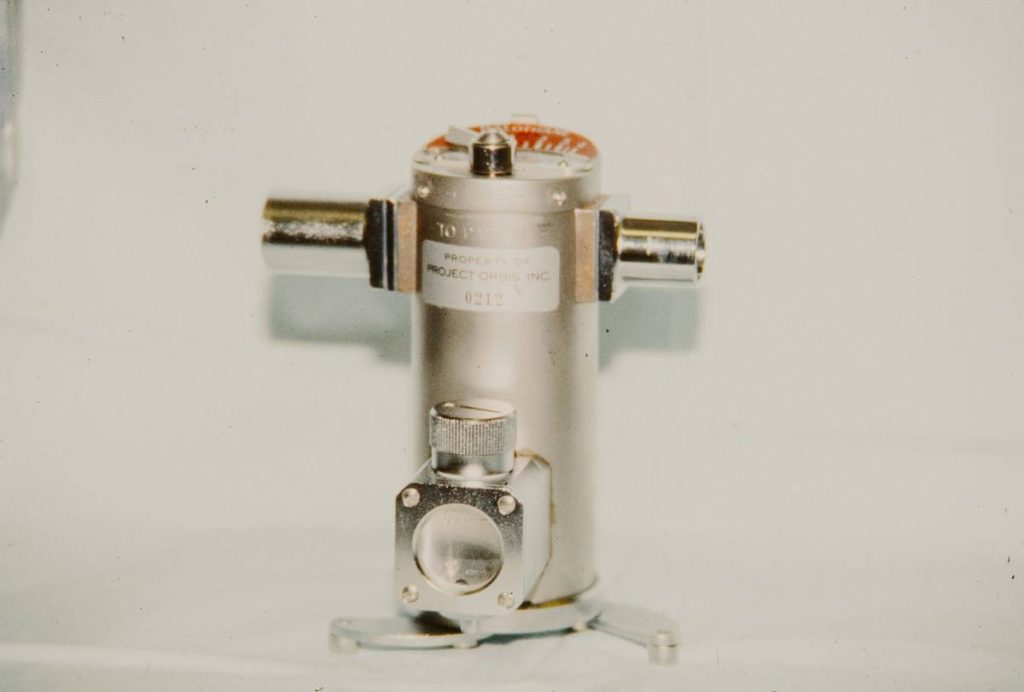
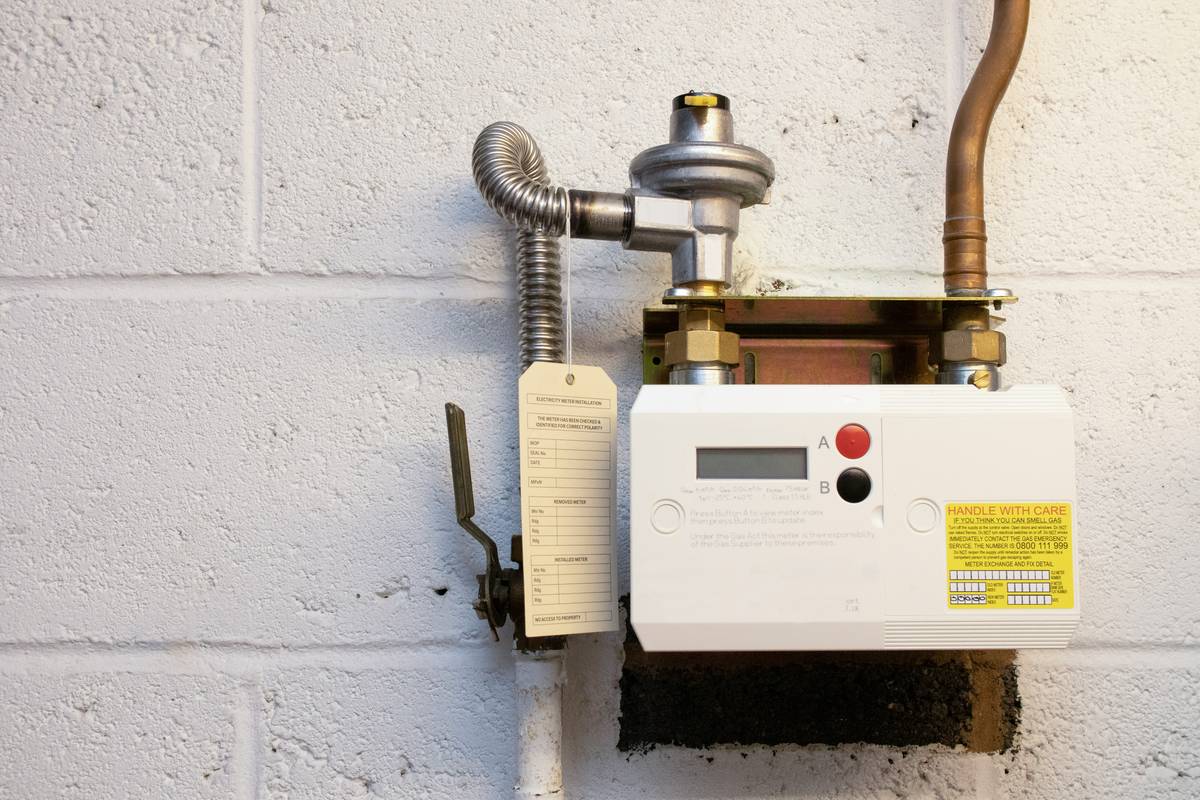
That’s where the hot water boiler pressure valve (often called the pressure regulator, weighted valve, or jiggler) comes in. It’s not decorative. It’s your cooker’s built-in fail-safe—a mechanical release that opens automatically when internal pressure exceeds safe limits.
According to the National Fire Protection Association, 94% of home pressure cooker incidents between 2018–2023 involved either missing valves, blocked vents, or users ignoring warning signs like erratic steam bursts or loud knocking sounds. This isn’t fearmongering—it’s preventable.
Optimist You: “My cooker’s been fine for years!”
Grumpy You: “Yeah, until mineral scale from hard water glues the valve shut like cement. Then it’s ‘surprise fireworks.’”
How to Inspect & Test Your Pressure Valve (Step-by-Step)
I once ignored a faint gurgle during a batch of beef stew. Two minutes later, my valve seized mid-cook. The lid bulged. My heart stopped. Luckily, the backup fuse plug melted first—but that $15 part saved my cabinets (and possibly my eyebrows).
Don’t wait for drama. Here’s how to check your valve like a pro:
Step 1: Turn Off Heat & Cool Completely
Never touch the valve while pressurized or hot. Let the cooker cool naturally or use quick-release methods only as per manufacturer instructions.
Step 2: Remove the Valve Assembly
For stovetop models (like Presto or Magefesa), unscrew or lift off the weighted valve. Electric models (Instant Pot, Ninja) often have integrated spring-loaded valves—consult your manual. Note: some require a small screwdriver.
Step 3: Clean Thoroughly
Soak the valve and vent pipe in white vinegar for 15 minutes to dissolve limescale. Use a soft brush (an old toothbrush works) to clear debris from the pinhole and grooves. Rinse well.
Step 4: Manual Function Test
Reassemble. Add 2 cups of water to the cooker. Heat on medium. Once steam flows steadily, the valve should rock gently or emit a soft hiss. If it’s silent until suddenly blasting steam—or worse, stays silent—the valve may be stuck.
Step 5: Replace if in Doubt
Worn springs, warped weights, or corrosion = immediate replacement. OEM parts only. Third-party valves often lack precise calibration.
5 Best Practices for Long-Term Valve Safety
After repairing three neighbor’s cookers (all victims of “I didn’t think it mattered”), here’s what actually works:
- Monthly Deep-Clean: Even if you use filtered water, oils and starches accumulate. Vinegar soak + brush monthly.
- Never Force the Lid: If the cooker won’t depressurize, don’t pry it open. Wait or use manufacturer-approved release methods. Forcing it can misalign the valve seat.
- Check Seals AND Valves: A degraded gasket causes pressure leaks that mask valve issues. Replace rubber rings every 6–12 months.
- Store Open: Keep the lid inverted or ajar so moisture doesn’t trap in the valve housing.
- Know Your Model’s Redundancies: Many modern cookers have two safety releases: the main valve + a backup fuse plug. Both need checking.
⚠️ TERRIBLE TIP TO AVOID: “Just poke a toothpick in the valve hole to unclog it.” Nope. You can scratch the precision bore, altering pressure thresholds. Use only soft brushes or compressed air.
Real Talk: When My Stovetop Cooker Nearly Became a Rocket
Last winter, I was testing bone broth in my vintage 8-quart Presto. Hard water + infrequent cleaning = calcified valve shaft. Mid-simmer, the usual gentle jiggle turned into violent clanging. Steam shot sideways. The backup fuse plug blew at 18 psi (3 psi over limit). Broth rained on my ceiling like a savory meteor shower.
Cleanup took hours. But the real lesson? I hadn’t tested the valve that month because “it looked fine.” Appearance lies. Function doesn’t.
Since then, I’ve made valve checks part of my pre-cook ritual—like checking smoke detectors. And I now recommend all readers treat their cooker like a tiny boiler: respect its power, maintain its parts, and never assume silence equals safety.
FAQs About Hot Water Boiler Pressure Valves
Can I use my pressure cooker without the pressure valve?
Absolutely not. Operating without a functional pressure relief system voids all safety certifications and risks explosion. Even electric models with digital sensors require physical valve backups.
How often should I replace the hot water boiler pressure valve?
Every 12–18 months with regular use, or immediately if damaged, corroded, or unresponsive during testing. Check your manual—some brands specify exact intervals.
Why does my valve leak steam constantly?
Slight steam during pressurization is normal. Constant heavy leaking suggests: (1) overfilling, (2) damaged gasket, or (3) valve not seated properly. Never ignore persistent leaks—they indicate failing pressure control.
Are electric pressure cookers safer than stovetop?
They have more redundant sensors, but still rely on physical pressure valves. A 2022 UL study found both types equally safe when maintained—but stovetop models demand more user vigilance.
Where can I buy a genuine replacement valve?
Only from the manufacturer or authorized retailers (e.g., PrestoParts.com, Instant Pot Support). Avoid Amazon third-party sellers unless verified as OEM.
Conclusion
Your hot water boiler pressure valve isn’t just a piece of metal—it’s your pressure cooker’s immune system. Ignore it, and you risk turning dinner into disaster. Maintain it, and you gain faster meals with total peace of mind.
Test it monthly. Clean it religiously. Replace it without hesitation. Because in the world of pressure cooking, safety isn’t optional—it’s simmering under every lid.
Like a Tamagotchi, your pressure cooker needs daily care—even if it doesn’t beep for attention.
Steam whispers low,
Valve guards the boiling heart—
Safety first, always.