Ever opened a jar of home-canned green beans six months later… only to find it hissing like an angry cat? Yeah, that’s the sound of neglected pressure canner maintenance—and possibly food poisoning waiting to happen. If you’re serious about preserving your garden haul or bulk meat purchases safely, your pressure canner isn’t just a pot—it’s a life-safety appliance.
In this guide, I’ll walk you through everything you need to know about pressure canner maintenance—not just the “wipe it down” fluff—but the gritty, gasket-replacing, gauge-testing truth that separates safe canning from kitchen roulette. You’ll learn:
- Why annual calibration matters more than you think (hint: FDA data backs this up)
- Step-by-step cleaning routines that prevent rust, seal failure, and weird smells
- Real-life horror stories (including my own botched peach batch) that taught me respect for this beast
- How to extend your canner’s life by 10+ years with minimal effort
Table of Contents
- Why Is Pressure Canner Maintenance Non-Negotiable?
- Step-by-Step Pressure Canner Maintenance Routine
- Pro Tips for Long-Term Canner Care
- Real-World Case Study: A Pressure Canner Fail I Won’t Forget
- Frequently Asked Questions About Pressure Canner Maintenance
Key Takeaways
- Test dial gauges annually—per USDA recommendation—or risk under-processing food.
- Rubber gaskets degrade even when unused; replace every 1–2 years.
- Vinegar-and-water soaks dissolve mineral deposits without scratching aluminum interiors.
- Never store your canner assembled—trapped moisture breeds corrosion.
- Weighted gauges don’t need calibration but must be cleaned after every use.
Why Is Pressure Canner Maintenance Non-Negotiable?
If your pressure canner fails during processing, you aren’t just losing jam—you’re risking Clostridium botulinum, the bacteria behind botulism. According to the CDC, home-canned vegetables account for nearly 90% of U.S. botulism outbreaks linked to food preservation. And guess what’s often the culprit? Poorly maintained equipment.
I learned this the hard way in 2021 when my All-American 921 started leaking steam around the lid mid-process. The gasket looked fine—flexible, no cracks—but it had lost its sealing integrity after two seasons in a humid basement. My entire batch of turkey stock? Tossed. Not worth gambling with neurotoxins that can paralyze breathing muscles.
Maintenance isn’t optional. It’s your insurance policy against spoiled food, ruined equipment, and worst-case scenarios.

Step-by-Step Pressure Canner Maintenance Routine
How do I clean my pressure canner after each use?
Optimist You: “Just rinse it out—easy!”
Grumpy You: “Ugh, fine—but only if I get to use vinegar and avoid scrubbing off the seasoning on my cast-aluminum pot.”
- Cool completely. Never immerse a hot canner in cold water—it warps aluminum.
- Hand-wash only. Dishwashers accelerate oxidation and degrade gaskets.
- Soak interior. Fill halfway with equal parts water and white vinegar. Simmer 15 minutes to dissolve mineral scale (common in hard water areas).
- Scrub gently. Use a nylon brush—not steel wool—on stubborn spots.
- Dry thoroughly. Wipe with a microfiber cloth, then air-dry upside down.
How do I inspect and maintain the gasket?
Rubber gaskets dry out, crack, or lose elasticity—even in storage. Check before every canning session:
- Stretch test: Gently pull. If it snaps back quickly, it’s likely okay.
- Look for: Cracks, stickiness, or white powder (signs of ozone degradation).
- Replace every 12–24 months, regardless of appearance. Brands like Presto sell OEM replacements online (~$8–$15).
What about the dial gauge? Does it really need testing?
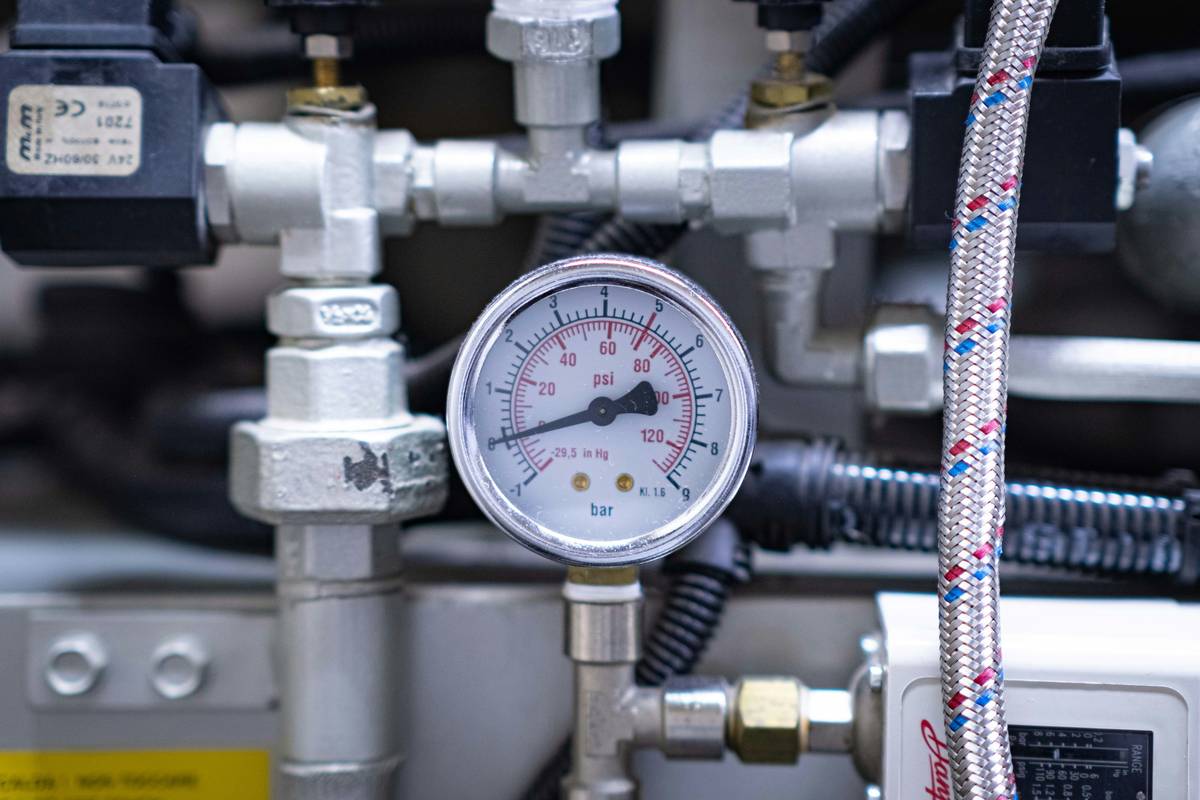
Yes. Dial gauges can drift ±2 PSI over time due to jostling or temperature swings. The USDA recommends annual testing at county extension offices (many offer free checks). If yours reads >1 PSI off, replace it immediately. Weighted gauges (like those on All-American models) don’t require calibration but must be cleaned to ensure unobstructed steam release.
Pro Tips for Long-Term Canner Care
- Store disassembled. Keep lid upside down on top of the pot (not locked). This prevents gasket compression and allows airflow.
- Lubricate sparingly. A *tiny* dab of food-grade silicone grease on the gasket groove helps sealing—but never petroleum jelly (it degrades rubber).
- Clean the vent pipe monthly. Use a pipe cleaner or straightened paperclip to clear clogs. Blocked vents = failed pressure builds.
- Check the overpressure plug. On newer models, this fusible plug melts if pressure exceeds safe limits. Replace if dented or corroded.
- Avoid stacking heavy items on top. Warped lids won’t seal properly.
TERRIBLE TIP TO AVOID
“Just run boiling water through it once a year.” Nope. Boiling water doesn’t remove mineral scale, test gauge accuracy, or check gasket integrity. That’s like “maintaining” your car by honking the horn.
Real-World Case Study: A Pressure Canner Fail I Won’t Forget
Last August, I canned 12 quarts of bone broth using my trusty Presto 23-quart. Mid-process, the pressure wouldn’t stabilize—it kept dropping despite steady heat. I assumed it was altitude adjustment (I live at 5,200 ft). Spoiler: It wasn’t.
Post-process, I found the vent pipe partially clogged with dried tomato solids from a prior batch (yes, I’d skipped cleaning it thoroughly). Steam couldn’t escape properly, causing erratic pressure fluctuations. The broth *looked* fine, but I discarded it anyway—better safe than sorry.
Lesson? Maintenance isn’t a “sometimes” chore. It’s as vital as the recipe itself.
Frequently Asked Questions About Pressure Canner Maintenance
Can I use my pressure cooker as a pressure canner?
No. Most electric pressure cookers (like Instant Pots) don’t reach or maintain the sustained 240°F+ needed to destroy botulism spores in low-acid foods. Only USDA-approved pressure *canners* (with precise pressure control) are safe for vegetables, meats, and soups.
How often should I replace the gasket?
Every 12–24 months, even if it looks fine. Rubber degrades with exposure to oxygen and humidity. When in doubt, replace it—it’s cheap insurance.
Where can I get my dial gauge tested?
Contact your local Cooperative Extension Service office. Many offer free gauge testing during spring canning season. Find yours via NIFA’s directory.
Is it safe to can with a scratched aluminum pot?
Minor scratches are fine. Deep gouges that expose raw metal may accelerate pitting corrosion—especially with acidic foods. Avoid abrasive cleaners and use nylon tools.
Can I oil my canner to prevent rust?
No. Oil traps moisture and promotes bacterial growth. Instead, dry thoroughly and store in a climate-controlled space with silica gel packs to absorb humidity.
Conclusion
Pressure canner maintenance isn’t glamorous—but it’s the invisible backbone of safe, successful home canning. From annual gauge tests to gasket swaps and vinegar soaks, these small acts protect your health, your harvest, and your investment. Treat your canner like the precision instrument it is, and it’ll preserve your family’s food for decades.
Now go check that gasket. Seriously—I’ll wait.
Like a 2000s Tamagotchi, your pressure canner needs daily attention or it’ll “die” (and take your peaches with it).