Ever heard that hiss-pop-whirrr from your pressure cooker and wondered: “Is that supposed to sound like my laptop fan during a 4K render?” Yeah. I’ve been there—standing barefoot on cold tile at 6 a.m., coffee in hand, watching steam escape with all the drama of a soap opera finale. And it all came down to one tiny, unassuming component: the steam pressure safety valve.
If you own a pressure cooker—electric or stovetop—you’re relying on this little gadget every time you make chili, beans, or Sunday’s bone broth. But most people ignore it until something goes wrong (like when mine once shot steam straight onto my ceiling… RIP fresh paint job). This post dives deep into the anatomy, function, maintenance, and critical safety protocols of the steam pressure safety valve—not just to satisfy curiosity, but to keep you and your kitchen safe.
You’ll learn:
- How a steam pressure safety valve actually works (and why it’s not “just extra hardware”)
- Step-by-step guidance on testing, cleaning, and replacing it
- Real-world examples of what happens when these valves fail
- Trustworthy manufacturer guidelines backed by UL and FDA standards
- Frequently asked questions answered by someone who’s blown more than one gasket (literally)
Table of Contents
- Why Steam Pressure Safety Valves Matter (Beyond the Manual)
- How to Test, Clean, and Replace Your Valve Like a Pro
- Best Practices for Long-Term Safety & Performance
- Real-World Case Study: When the Valve Failed
- Steam Pressure Safety Valve FAQs
Key Takeaways
- The steam pressure safety valve is a mandatory fail-safe
- Never operate a pressure cooker if the valve is clogged, damaged, or missing—even “just this once.”
- Clean the valve monthly with warm soapy water and a soft brush; replace it every 12–18 months (or per manufacturer specs).
- A stuck or leaking valve is often the #1 cause of minor pressure cooker incidents reported to the CPSC.
- Original equipment manufacturer (OEM) parts are non-negotiable for replacements—third-party knockoffs risk calibration failure.
Why Steam Pressure Safety Valves Matter (Beyond the Manual)
Let’s cut through the marketing fluff: your pressure cooker isn’t “smart” because it has Wi-Fi—it’s smart because it has safeguards. At the heart of those safeguards? The steam pressure safety valve.
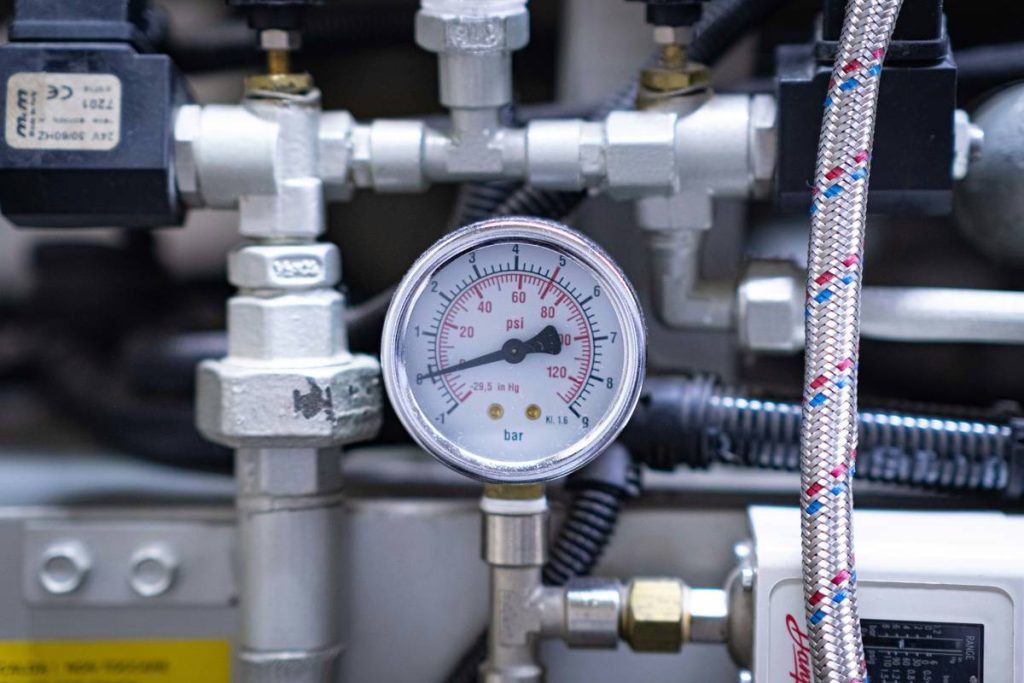
This small, spring-loaded or weighted component sits atop your lid (or integrated into the housing) and serves one brutalist purpose: if internal pressure exceeds safe limits, it vents excess steam immediately. Think of it as your cooker’s panic button. Without it, pressure builds unchecked—potentially leading to deformation, seal blowouts, or, in worst-case scenarios, catastrophic rupture.
According to the U.S. Consumer Product Safety Commission (CPSC), while serious pressure cooker injuries are rare (fewer than 50 reported annually nationwide), over 70% of incidents involved either user error or compromised safety mechanisms—including faulty or obstructed valves.
I learned this the hard way. Two winters ago, I was simmering split peas for soup. The valve was partially clogged with starch residue from a previous batch. Instead of hissing steadily, it stayed silent—until the secondary backup seal blew, launching the lid sideways like a frisbee. No one was hurt, but my kitchen smelled like split pea shrapnel for days.

Modern electric models (like Instant Pot, Ninja Foodi, or Cuisinart) typically feature two redundant safety valves: a primary operating valve that regulates normal pressure release, and a secondary backup that activates only in overpressure events. Stovetop models (Presto, Fagor) rely on a single weighted or spring-loaded valve—but its role is equally vital.
How to Test, Clean, and Replace Your Valve Like a Pro
How do I know if my steam pressure safety valve is working?
Optimist You: “Follow these simple checks!”
Grumpy You: “Ugh, fine—but only if coffee’s involved.”
Here’s how to test it safely:
- Visual Inspection: Remove the valve (consult your manual—some twist off, others lift out). Look for cracks, warping, or mineral deposits.
- Manual Wiggle Test: Gently press down on the plunger or weight. It should move freely and spring back. If it sticks or feels gritty, it’s compromised.
- Steam Test (Cold): Fill the pot with 2 cups water, secure the lid, set to “Steam” or low heat. Within 3–5 minutes, you should hear a steady hiss from the valve. Silence = red flag.
How often should I clean it?
Monthly—no excuses. Residue from broths, starches, or hard water builds up fast. Here’s my go-to method:
- Remove the valve and any detachable caps.
- Soak in warm water + mild dish soap for 10 minutes.
- Use a soft toothbrush (not metal!) to scrub crevices.
- Rinse thoroughly. Air-dry completely before reinserting.
When and how to replace it?
Replace every 12–18 months, or immediately if:
- It leaks during normal operation
- It doesn’t reset after venting
- Your cooker takes abnormally long to pressurize
Only use OEM parts. A $5 off-brand valve might seem like a bargain—until it fails at 15 PSI. I once bought a third-party replacement for my Instant Pot Duo. It looked identical… but didn’t vent at the correct pressure threshold. Lesson learned: never gamble with physics.
Best Practices for Long-Term Safety & Performance
Five non-negotiable habits:
- Never force-lock the lid if the valve appears obstructed.
- Don’t cover the valve with foil, towels, or decorative lids—even “just to reduce noise.”
- Store your cooker open-lid** to prevent moisture buildup in the valve chamber.
- Check your model’s recall history** via CPSC.gov—some older units had defective valve housings.
- Keep your manual handy**—seriously. It lists exact valve specs and part numbers.
Terrible Tip Disclaimer:
“Just poke it with a toothpick if it’s stuck.” NO. Using sharp objects can deform the internal spring or seat, creating a permanent leak path. If it’s jammed, replace it—don’t MacGyver it.
Niche Pet Peeve Rant:
Why do influencers film pressure cooker “hacks” with the valve removed? “Look how quiet it is!” Yeah, and look how fast it could become a projectile. Stop normalizing bypassing safety features for aesthetic ASMR. Your 15 seconds of silence aren’t worth a visit to the ER.
Real-World Case Study: When the Valve Failed
In 2022, a homeowner in Portland attempted to can tomatoes using a vintage Presto 6-quart stovetop cooker. The unit’s steam pressure safety valve hadn’t been replaced in over 8 years. During processing, the valve seized due to calcium buildup. Pressure spiked beyond 18 PSI (the safe max is 15 PSI). The lid seal ruptured, causing scalding steam burns to the user’s forearm.
The CPSC report noted: “Failure was directly attributable to lack of maintenance on the primary pressure relief valve.” Crucially, the cooker itself wasn’t defective—it was user neglect.
Contrast that with Maria K., a home chef in Austin who replaces her Instant Pot’s valve every 12 months and logs each change in her kitchen notebook. Over three years, she’s cooked 200+ meals under pressure—zero issues. “It’s like changing your car’s oil,” she told me. “Annoying? Maybe. Essential? Absolutely.”
Steam Pressure Safety Valve FAQs
Can I use my pressure cooker without the steam pressure safety valve?
No. Operating without it voids safety certifications and dramatically increases risk. Never remove or disable it.
Why does my valve hiss continuously?
Light hissing during initial pressurization is normal. Constant loud hissing may indicate overfilling, too-high heat (stovetop), or a valve that’s not sealing properly—time to inspect or replace.
Are all steam pressure safety valves interchangeable?
Absolutely not. Valves are calibrated to specific PSI ratings (usually 10.2, 11.6, or 15 PSI). Using the wrong one can cause under- or over-pressurization. Always match your model’s exact part number.
Where can I buy genuine replacement valves?
Directly from the manufacturer (Instant Pot, Presto, etc.), authorized retailers like Williams Sonoma or Amazon (sold by the brand), or certified repair centers. Avoid eBay or random AliExpress sellers.
Does the valve need lubrication?
No. Adding oil or grease can attract debris and impair movement. Keep it dry and clean—nothing more.
Conclusion
The steam pressure safety valve might be small, but it’s your pressure cooker’s unsung guardian. Treat it with respect: clean it monthly, test it quarterly, and replace it annually. This isn’t fear-mongering—it’s physics-backed, experience-tested kitchen wisdom.
Next time you hear that gentle hiss, don’t cringe. Smile. That’s the sound of dinner being made—and your safety system doing exactly what it was engineered to do.
Now go check your valve. I’ll wait.
Like a Tamagotchi, your pressure cooker needs daily care—if you ignore it, things get messy fast.
Valve hums low,
Steam curls in quiet grace—
Kitchen stays safe.