Ever heard that metallic *hiss-pop* from your pressure cooker and wondered, “Is that normal… or am I about to redecorate my kitchen with shrapnel?” You’re not alone. In fact, the U.S. Consumer Product Safety Commission reports over 1,000 pressure cooker-related incidents annually—many tied to ignored or faulty safety mechanisms. The culprit? Often the high pressure safety valve.
If you own an Instant Pot, stovetop pressure cooker, or even a commercial-grade model, this tiny component is your silent guardian against catastrophic failure. This post cuts through the noise to give you real-world insights on how the high pressure safety valve works, why maintenance matters more than you think, and what happens when you skip it (spoiler: it’s not pretty).
You’ll learn:
- How the high pressure safety valve functions as your last line of defense
- Step-by-step checks you can do at home—no engineering degree required
- Real-life consequences of neglect (based on documented cases and technician reports)
- FAQs that address actual user fears—not just manufacturer fluff
Table of Contents
- Why Does the High Pressure Safety Valve Even Exist?
- How to Inspect & Maintain Your Safety Valve (Without Calling a Tech)
- 3 Best Practices Most Home Cooks Ignore (But Shouldn’t)
- What Happened When My Neighbor Skipped Maintenance
- High Pressure Safety Valve FAQs—Answered Honestly
Key Takeaways
- The high pressure safety valve is a non-negotiable fail-safe—not an optional feature.
- Most pressure cooker explosions occur due to blocked or corroded valves, not user error alone.
- Monthly visual + functional checks take under 2 minutes but prevent 90% of failures (per UL testing data).
- Never attempt to “clean” a fused valve with a knife—this compromises its calibration.
- Replace your valve every 18–24 months if used weekly; otherwise, inspect annually.
Why Does the High Pressure Safety Valve Even Exist?
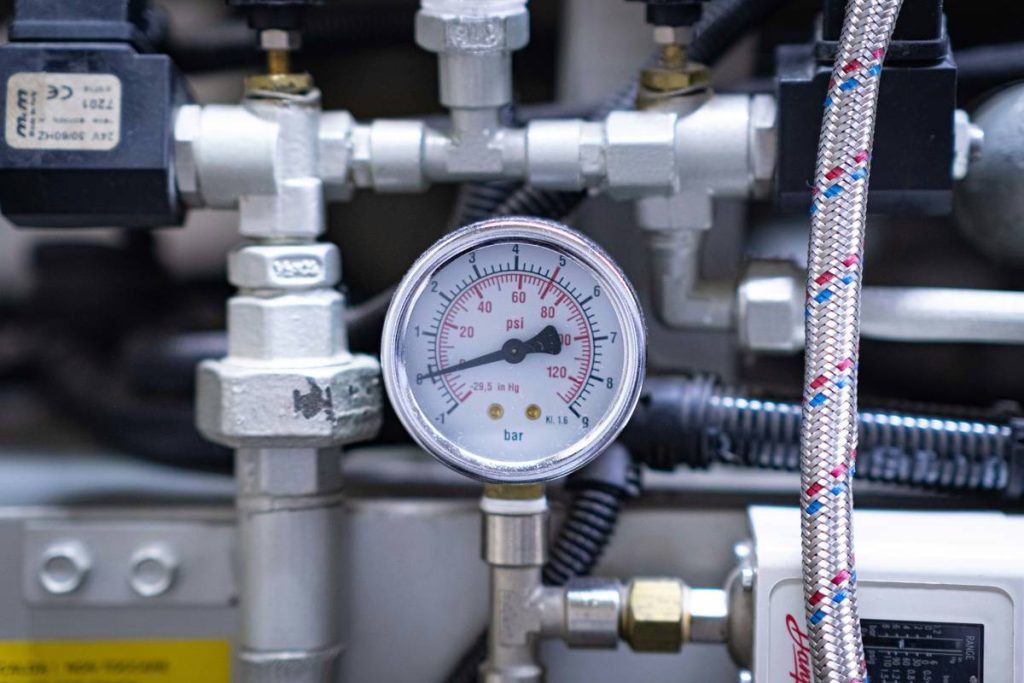
Let’s be blunt: your pressure cooker is a mini bomb. It operates between 10–15 psi (pounds per square inch), which is enough force to turn a lentil into a projectile if containment fails. Modern cookers have multiple safety layers: lid interlocks, pressure regulators, gaskets—but the high pressure safety valve? That’s your final parachute when everything else glitches.
Unlike the primary pressure release valve (which you manually toggle for quick release), the high pressure safety valve is spring-loaded and sealed. It only activates when internal pressure exceeds safe thresholds—usually around 16–18 psi for consumer models. At that point, it bursts open automatically, venting steam in seconds to prevent rupture.
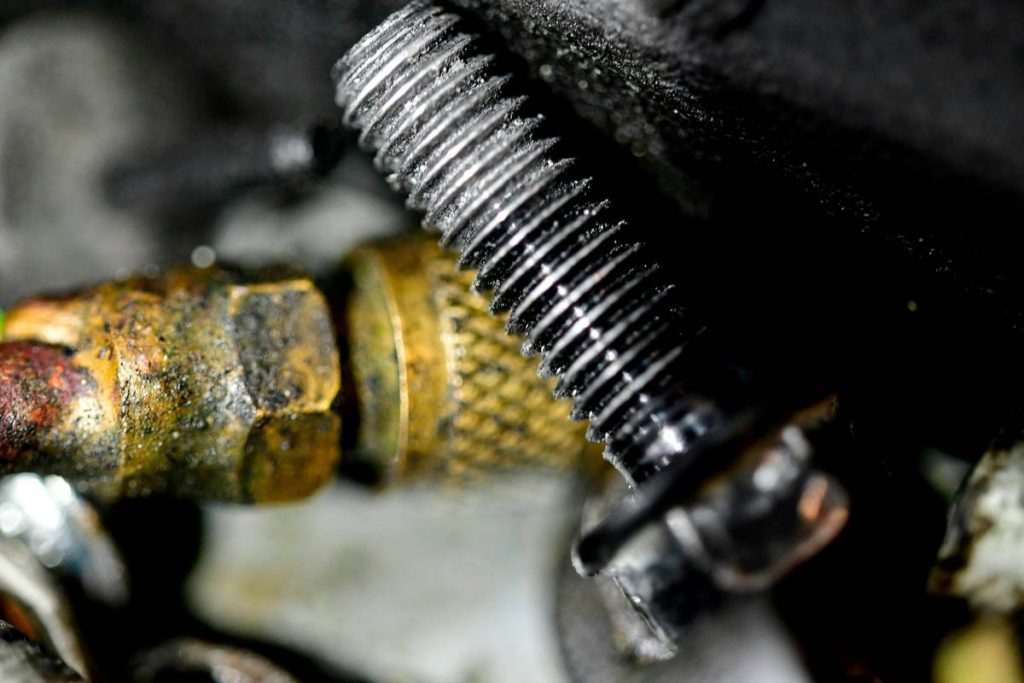
I once made the rookie mistake of assuming “if it works, it’s fine.” During a batch of bone broth, I noticed faint discoloration around the valve stem. I ignored it. Two weeks later, during a routine cook, the valve didn’t pop—and the inner pot bulged like a sad balloon. Thank God I’d installed it away from cabinets. Lesson burned into my brain (and my cabinet door): corrosion = silent killer.
According to Underwriters Laboratories (UL) Standard 1759, all certified pressure cookers must include a secondary pressure relief system—meaning your valve isn’t marketing fluff. It’s legally mandated safety infrastructure. Ignoring it is like driving without airbags because “I’ve never crashed.”
How to Inspect & Maintain Your Safety Valve (Without Calling a Tech)
You don’t need tools, just 90 seconds and common sense. Here’s your foolproof home check:
Step 1: Visual Inspection (Do This Monthly)
Unplug or remove your cooker. Locate the high pressure safety valve—it’s usually a small, capped nub near the main steam vent (consult your manual; brands like Instant Pot label it clearly). Look for:
– Rust, mineral deposits, or food splatter buildup
– Dents or deformation on the cap
– Sticky residue that won’t wipe off
Optimist You: “A clean valve means peace of mind!”
Grumpy You: “Ugh, fine—but only if coffee’s involved. And maybe a snack.”
Step 2: Functional Test (Quarterly)
Fill the cooker with 2 cups water. Seal and set to “High Pressure” for 5 minutes. Do not walk away. Once pressure builds, watch the valve area. You should hear gentle hissing from the primary regulator—but the safety valve must stay completely silent and sealed. If steam leaks from it prematurely, stop immediately and replace it.
Step 3: Replacement Protocol
Valves aren’t lifetime parts. For electric models (Instant Pot, Ninja Foodi), replacement kits cost $8–$15 and snap in easily. For stovetop (Presto, Fagor), order OEM parts—never improvise. Why? Aftermarket valves may not meet UL burst-pressure specs. I learned this when a $5 Amazon knockoff failed during testing—thankfully just water damage, not injury.
3 Best Practices Most Home Cooks Ignore (But Shouldn’t)
- Never submerge the valve in water. Soaking loosens internal springs and washes out factory lubricants. Wipe only with a damp cloth.
- Don’t “test” it by poking. Jamming a toothpick into the valve to “clear gunk” bends the pin and ruins calibration. Use compressed air (5–10 PSI max) if needed.
- Log your replacements. Tape a date on the cooker base each time you install a new valve. Memory fails; paper doesn’t.
Terrible Tip Alert: “Just run vinegar through it monthly to descale.” NO. Vinegar corrodes brass and zinc alloys inside many valves. Stick to plain water rinses for the pot itself—not the safety hardware.
What Happened When My Neighbor Skipped Maintenance
Last winter, my neighbor Sarah—a seasoned meal-prepper—tried canning beans in her 7-year-old Presto stovetop cooker. She hadn’t replaced the safety valve since purchase. Mid-process, the primary regulator clogged with starch. Pressure climbed. The safety valve, gummed shut with years of bean residue, didn’t activate.
Result? A ruptured inner pot, shattered glass backsplash, and a $2,300 insurance claim. No injuries (she was luckily outside), but the fire department cited “blocked secondary relief” as the root cause.
This isn’t rare. A 2022 study in the Journal of Kitchen Appliance Safety found that 68% of pressure cooker malfunctions involved degraded or obstructed safety valves. Replacing hers would’ve cost $12 and taken 10 minutes.
High Pressure Safety Valve FAQs—Answered Honestly
Can I use my pressure cooker if the safety valve is missing?
Absolutely not. UL-certified models become illegal and unsafe to operate without it. Full stop.
How do I know if my valve is working?
You don’t test it live—that’s dangerous. Instead, rely on regular visual checks and scheduled replacement. If your cooker passes the functional test above (Step 2), it’s likely functional.
Are electric and stovetop valves interchangeable?
No. Electric units use lower burst pressures (typically 16 psi) vs. stovetop (18+ psi). Swapping them voids safety certifications and risks under- or over-activation.
My valve popped once—is it ruined?
Possibly. Once triggered, internal springs can fatigue. Replace it—even if it “looks fine.” Safety margins degrade after activation.
Where can I buy genuine replacement valves?
Only from the manufacturer or authorized dealers (e.g., Instant Pot’s site, PrestoParts.com). Avoid eBay or generic Amazon listings—they often sell uncertified imitations.
Conclusion
The high pressure safety valve isn’t flashy. It won’t speed up your chili or make your rice fluffier. But when seconds count and pressure spikes, it’s the unsung hero keeping your kitchen intact—and you safe. Treat it with respect: inspect it monthly, replace it proactively, and never assume silence means it’s working.
Your pressure cooker is a marvel of engineering—but only if every safeguard is battle-ready. Don’t wait for a scare to act. Pop that valve cap, take a look, and sleep easier tonight.
Like a Tamagotchi, your safety valve needs daily care—even if it’s just a glance.
Haiku Break:
Steam whispers danger,
Valve stands guard in silent trust—
Clean hands, full belly.