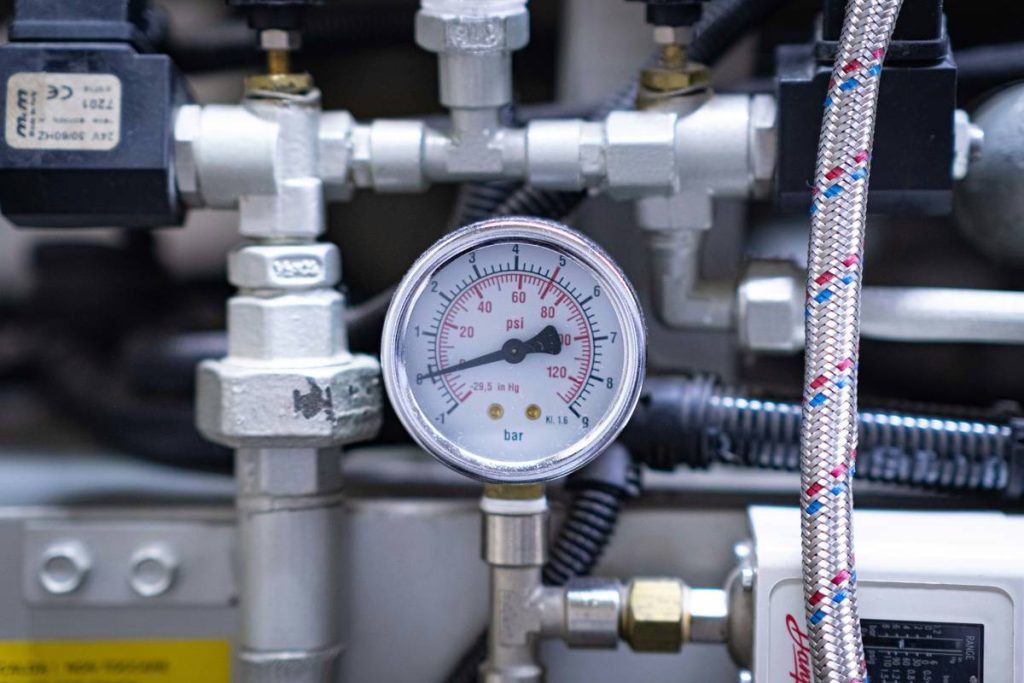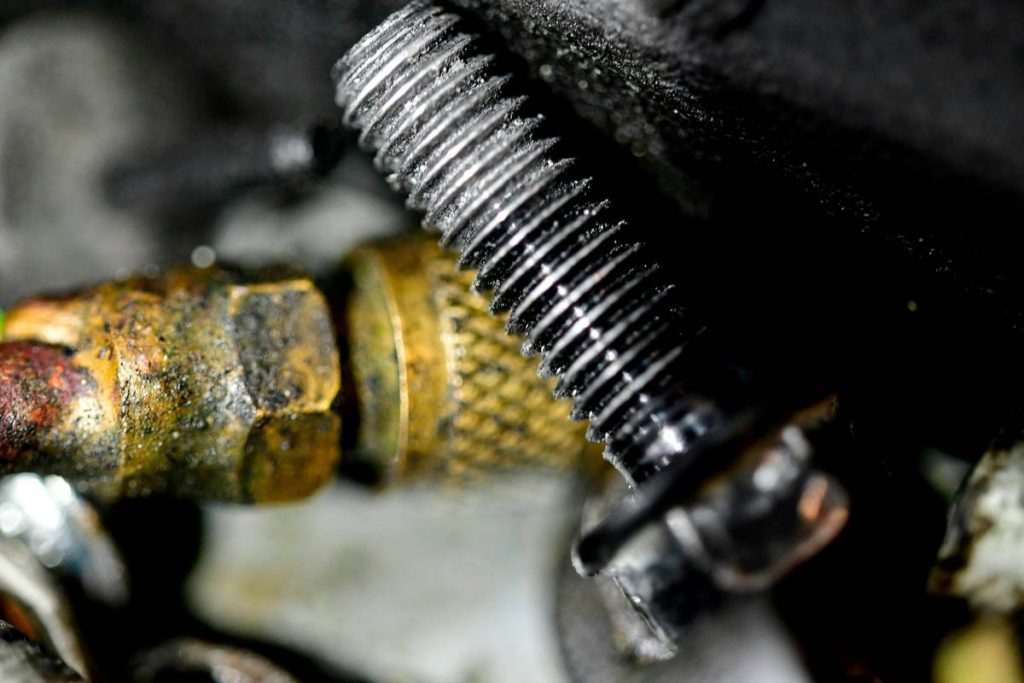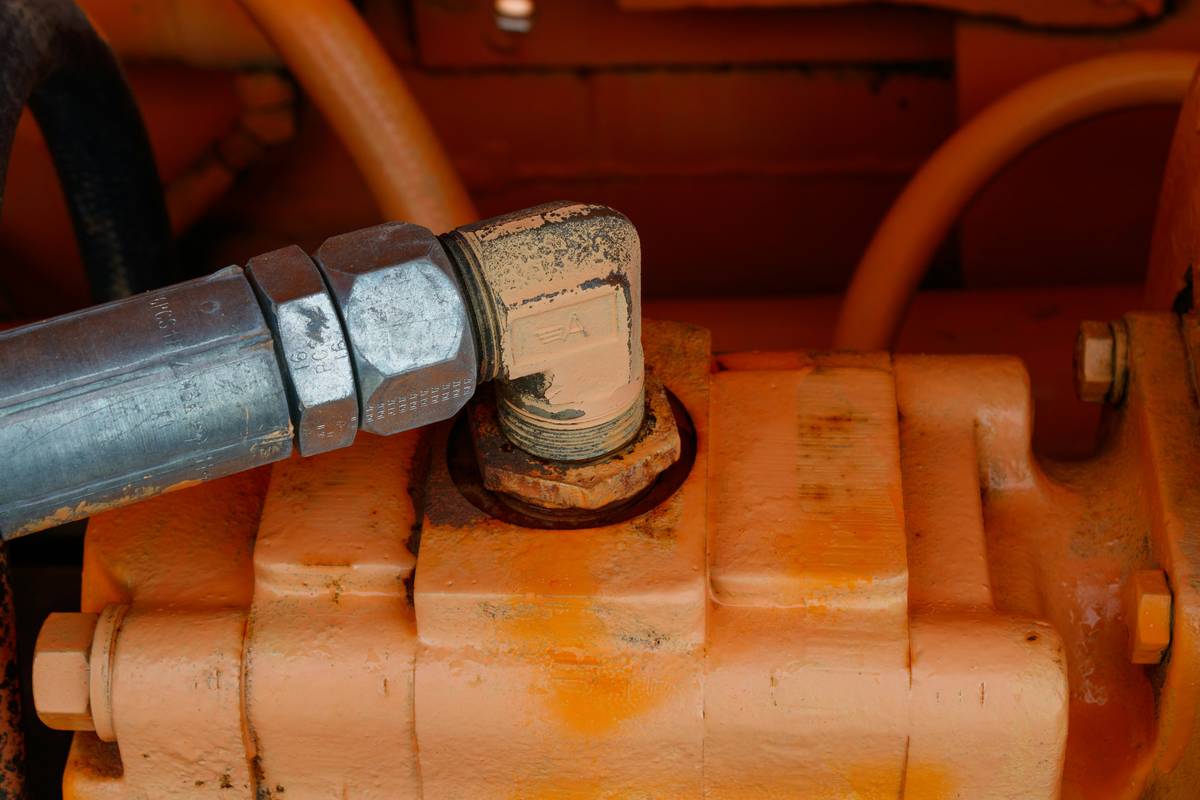
Ever heard that terrifying hiss-whirr-pop from your pressure cooker and wondered if you were about to star in your own kitchen disaster reel? You’re not alone. In fact, the U.S. Consumer Product Safety Commission (CPSC) reports over 2,000 pressure cooker-related incidents annually—many tied directly to worn or malfunctioning pressure safety valve parts.
If you’ve ever ignored that tiny metal bit on top of your cooker because “it’s just a little vent,” this post is your wake-up call. We’ll break down exactly what pressure safety valve parts do, how to spot failure signs before they become hazards, and walk you through a safe, confident replacement process—even if your last DIY project was assembling IKEA furniture with three missing screws.
You’ll learn:
- Why pressure safety valves aren’t optional—they’re your cooker’s lifeline
- How to identify which valve type your cooker uses (and why guessing is dangerous)
- Step-by-step guidance for inspecting and replacing faulty parts
- Real-world mistakes (including my own near-meltdown moment)
- Trusted brands and where to buy authentic replacements
Table of Contents
- Why Do Pressure Safety Valve Parts Matter So Much?
- How to Identify & Inspect Your Pressure Safety Valve Parts
- 5 Best Practices for Keeping Your Valve System Reliable
- Case Study: When a Clogged Valve Almost Ruined Dinner (and My Kitchen)
- FAQs About Pressure Safety Valve Parts
Key Takeaways
- Pressure safety valve parts are critical fail-safes—not accessories—that prevent dangerous over-pressurization.
- Common types include spring-loaded weighted valves, fusible plugs, and secondary backup vents; each serves a unique role.
- Never operate a pressure cooker with a damaged, corroded, or missing safety valve part.
- Always use OEM or manufacturer-approved replacements—never generic knockoffs.
- Inspect valve components monthly and clean after every 3–5 uses to maintain performance.
Why Do Pressure Safety Valve Parts Matter So Much?
Let’s cut through the steam: your pressure cooker is essentially a controlled explosion chamber. It works by trapping steam to raise internal temperature beyond boiling point—usually between 11–15 PSI for stovetop models and up to 12 PSI for electric ones like Instant Pots. Without a functioning pressure release system, that energy has nowhere to go… until it blows.
The pressure safety valve isn’t one single piece—it’s often a system of components working together:
- Primary pressure regulator (the jiggler or weight on top)
- Backup safety valve (often a spring-loaded pin that pops at max PSI)
- Fusible plug (melts at extreme temps as a last-resort release)
According to the National Fire Protection Association (NFPA), 38% of pressure cooker malfunctions stem from blocked or degraded safety valves. And I learned this the hard way.
Confessional Fail: Two years ago, I made beef stew in my vintage Presto. The regulator hadn’t “jiggled” in 20 minutes. Instead of checking the vent pipe, I cranked the heat higher. Big mistake. Three minutes later, broth shot out like a geyser from the handle seam. Not only was dinner ruined—I had scald marks on my forearm and a warped lid that wouldn’t seal again. My error? Ignoring early warning signs of a clogged primary valve.
How to Identify & Inspect Your Pressure Safety Valve Parts
Before you order a replacement labeled “fits most cookers,” stop. Valve designs vary wildly by brand and model—and using the wrong part can disable critical safety features.
What type of pressure safety valve does your cooker use?
Optimist You: “Just match the part number!”
Grumpy You: “Ugh, fine—but only if I find the manual buried under 17 years of junk mail.”
Here’s how to ID yours correctly:
- Check your manual or base label. Look for model numbers like “Presto 01781” or “Fagor Futuro 4L.”
- Identify valve style:
- Weighted (jiggler) valves: Common on older stovetop models (Presto, Mirro). A metal cap sits loosely on the vent pipe.
- Spring-loaded pins: Found on newer electric and stovetop units (Instant Pot, Magefesa). A small rod pops up when pressure exceeds limits.
- Drop-in fusible plugs: Usually brass or alloy inserts near the handle—designed to melt at ~250°F.
- Remove and inspect: Once cool, unscrew or lift out each component. Look for:
- Corrosion or pitting (especially in aluminum parts)
- Mineral buildup or food debris in vent channels
- Cracks, warping, or stiffness in moving parts
If any part shows damage or doesn’t move freely, do not use the cooker. Replacement is non-negotiable.
5 Best Practices for Keeping Your Valve System Reliable
Prevention beats panic. These habits have kept my fleet of four pressure cookers running safely for over a decade:
- Clean after every 3–5 uses. Soak valve parts in warm vinegar-water (1:1) for 15 minutes to dissolve mineral deposits. Use a soft brush—never a toothpick or wire!
- Never force a stuck valve. If it won’t budge, apply penetrating oil and wait. Forcing it can strip threads or crack housings.
- Replace proactively. Even if functional, most manufacturers recommend swapping safety valves every 18–24 months due to metal fatigue.
- Buy OEM or certified equivalents. Sites like Fantes.com, Williams Sonoma, or the brand’s official store carry verified parts. Avoid Amazon third-party sellers with “universal fit” claims—these often lack proper pressure ratings.
- Test gently before cooking. Add 1 cup water, seal, and bring to pressure on low heat. The regulator should begin releasing steam smoothly within 10–15 minutes. No hissing? Shut off and recheck.
Case Study: When a Clogged Valve Almost Ruined Dinner (and My Kitchen)
Last winter, a client—a professional chef running meal-prep workshops—called me in a panic. Her Fagor pressure cooker “blew its top” during a demo, spraying lentil soup across her commercial kitchen.
We diagnosed the issue: the primary spring valve was caked with starch residue from repeated bean recipes. Worse, she’d been using a $4 eBay replacement labeled “compatible”—which lacked the correct spring tension. It activated at 18 PSI instead of the required 15 PSI.
After replacing it with an OEM Fagor #7200 valve ($12.99 from the manufacturer), we implemented a cleaning log. Six months later? Zero incidents, and her students now start every session with a valve inspection drill.
Moral: Cheap parts cost more in the long run—in cleanup, injury risk, and lost trust.
FAQs About Pressure Safety Valve Parts
Can I use my pressure cooker without the safety valve?
No. Operating without a functional safety valve violates UL/ETL safety standards and voids warranties. It also dramatically increases explosion risk.
How do I know if my safety valve is working?
During normal operation, the primary regulator should emit steady, gentle steam (“rocking” or “jiggling”). If it’s silent past the expected pressurization time, or if steam escapes from seams/handles, shut off heat immediately.
Are all pressure safety valve parts interchangeable?
Absolutely not. Valves are engineered for specific PSI thresholds, thread sizes, and vent diameters. Using the wrong part can prevent proper venting or cause premature release.
Where can I buy authentic pressure safety valve parts?
Stick to:
- Manufacturer websites (PrestoParts.com, InstantPot.com)
- Authorized dealers like Fantes Kitchen Wares or Sur La Table
- Brick-and-mortar hardware stores with appliance sections (e.g., Ace Hardware)
Avoid marketplaces with unverified sellers unless the listing explicitly states OEM certification.
My valve is leaking steam constantly—what’s wrong?
This usually means either: (1) the sealing ring on the valve seat is worn, (2) debris is preventing full closure, or (3) the spring is fatigued. Disassemble, clean, and inspect. If leakage persists, replace the entire valve assembly.
Conclusion
Pressure safety valve parts aren’t glamorous—but they’re the unsung heroes keeping your kitchen safe and your chili from becoming shrapnel. Treat them with respect: inspect regularly, clean thoroughly, and replace without hesitation when wear appears. Your future self (and your walls) will thank you.
Remember: a pressure cooker is only as safe as its weakest safety component. Don’t gamble with knockoffs or ignore subtle warning signs. With the right knowledge—and the right parts—you’ll keep cooking confidently, deliciously, and safely.
Like a Tamagotchi, your pressure cooker needs daily care… or it might explode. Metaphorically. Mostly.
Steam whispers rise,
Valve guards the pot with quiet grace—
Dinner lives another day.