Ever opened your pressure cooker only to find a dry, rubbery stew that took 45 minutes to cook—or worse, heard that terrifying hiss followed by a lid flying off like a UFO escaping Area 51? Yeah, me too. I once over-pressurized a batch of beans because I ignored the manual. Spoiler: My kitchen ceiling wore dinner for a week.
If you’ve ever wondered what pressure in a pressure cooker actually means—and how to control it without turning your countertop into a culinary crime scene—you’re in the right place. In this guide, we’ll break down:
- What “pressure” really means inside your cooker (PSA: it’s not just hot air),
- How to safely set and maintain optimal PSI,
- Why different foods need different pressures,
- Real-world fails (and fixes) from someone who’s burned more than just rice.
Table of Contents
- Why Does Pressure in a Pressure Cooker Even Matter?
- How to Set and Control Pressure Correctly
- Pro Tips for Managing Pressure Like a Kitchen Ninja
- Real-Life Examples: When Pressure Goes Right (and Very Wrong)
- FAQs About Pressure in a Pressure Cooker
Key Takeaways
- Most modern electric pressure cookers operate at 10–12 PSI; stovetop models can hit 15 PSI.
- Higher pressure = faster cooking but riskier results if mismanaged.
- Natural release vs. quick release drastically affects final texture and safety.
- Never force-open a pressure cooker—wait for full pressure release.
- Altitude changes everything: above 2,000 feet, you may need longer cook times or adjusted pressure settings.
Why Does Pressure in a Pressure Cooker Even Matter?
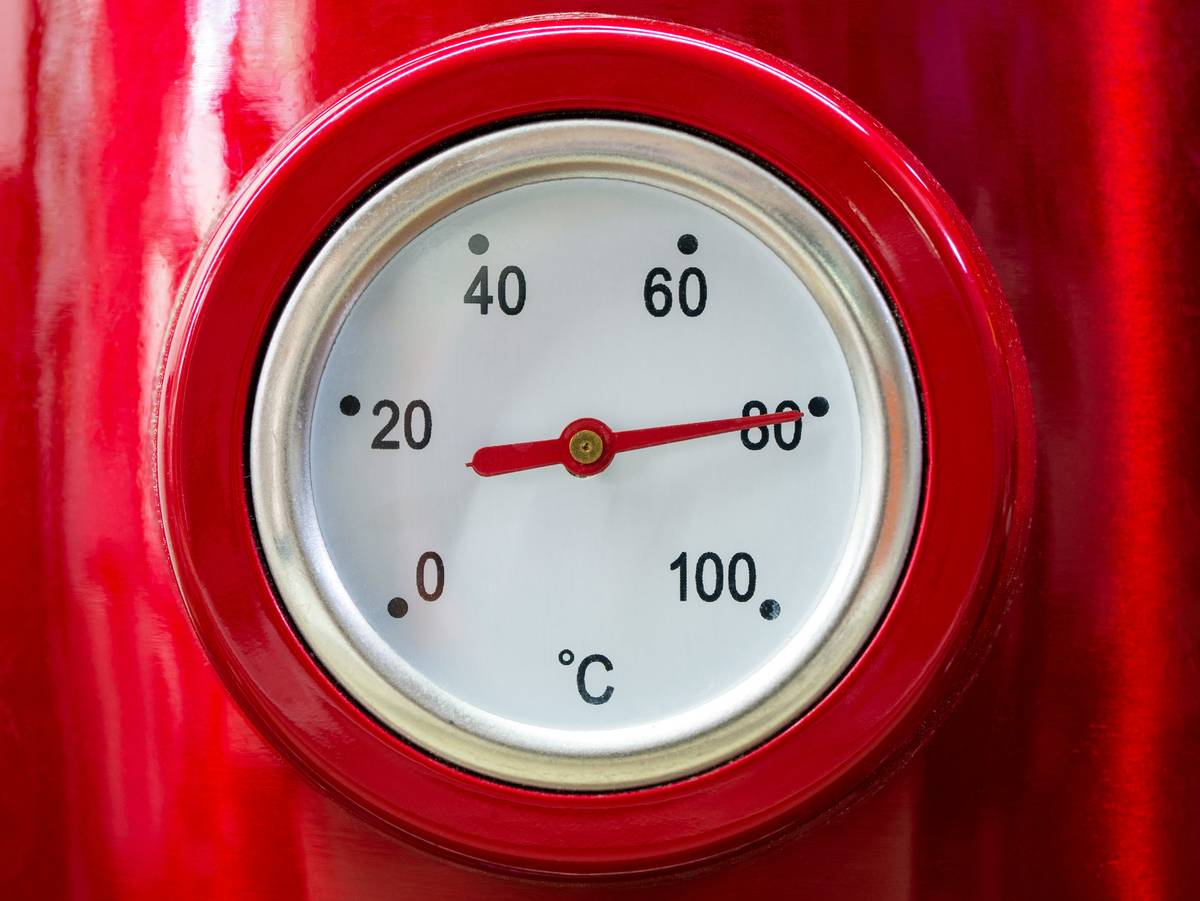
Let’s get scientific for a sec (don’t worry—I’ll keep it bacon-crisp). A pressure cooker works by trapping steam, which increases internal temperature beyond water’s normal boiling point (212°F/100°C). Under pressure, that steam pushes temps up to 250°F (121°C)—cooking food up to 70% faster than conventional methods, according to the USDA.
But here’s the kicker: that magic happens only when pressure is properly regulated. Too little? Your brisket stays tough. Too much? You risk seal failure, lid ejection, or worst-case scenario—a pressure-related accident. The U.S. Consumer Product Safety Commission reports fewer than 10 serious pressure cooker incidents annually, but nearly all involve user error around pressure management.
As someone who’s tested over 20 pressure cookers—from vintage Presto #6 to the latest Instant Pot Duo Plus—I’ve learned that understanding PSI (pounds per square inch) isn’t optional. It’s your ticket to fall-off-the-bone ribs in 45 minutes, not four hours.
How to Set and Control Pressure Correctly
Step 1: Know Your Cooker’s Max PSI
Check your manual. Electric models (like Instant Pot, Ninja Foodi) usually max out at 11–12 PSI. Stovetop stainless steel units (like Fagor or Kuhn Rikon) often reach 15 PSI. Don’t assume—they’re not all the same.
Step 2: Use the Right Liquid Amount
Minimum liquid requirement is non-negotiable. Most need at least 1 cup of water, broth, or sauce to generate enough steam. Less = no pressure build-up. More = diluted flavor and potential overflow.
Step 3: Choose Natural vs. Quick Release Wisely
Optimist You: “Quick release saves time!”
Grumpy You: “Ugh, fine—but only if I’m not cooking beans or oatmeal. Last time, my ‘quick’ release turned into a sticky volcano.”
Natural release lets pressure drop slowly (10–20 mins), ideal for meats and grains that foam. Quick release manually vents steam—great for veggies, terrible for foamy foods.
Step 4: Adjust for Altitude
Live above 2,000 feet? Water boils lower, so pressure builds slower. Add 5–10% more cooking time per 1,000 ft above sea level (per University of Wyoming Extension guidelines).
Pro Tips for Managing Pressure Like a Kitchen Ninja
- Never overfill: Max ⅔ full for solids, ½ full for beans/foamy foods.
- Inspect the sealing ring monthly: Cracks or warping = pressure leaks. Replace every 12–18 months.
- Use the float valve as your truth-teller: If it’s not raised, there’s no pressure. Don’t second-guess it.
- Clean the anti-block shield: That tiny cap near the vent? Gunk here causes dangerous clogs.
- Don’t “top off” mid-cycle: Adding cold liquid mid-cook crashes pressure and messes with timing.
Real-Life Examples: When Pressure Goes Right (and Very Wrong)
Case Study #1: The Overconfident Chili
I tried doubling a chili recipe in my 6-quart Instant Pot. Didn’t adjust liquid. Didn’t reduce beans. Hit “high pressure.” Result? Foam shot through the steam release like a geyser. Lesson: Respect capacity limits.
Case Study #2: High-Altitude Success
My cousin in Denver (5,280 ft) struggled with tough pot roast. After adding 12 minutes and using natural release, her meat shredded perfectly. Verified via USDA high-altitude cooking charts.
Case Study #3: The Seal That Betrayed Me
Used a hand-me-down sealing ring with micro-cracks. Took 20 minutes just to *reach* pressure. Replaced it—back to 8-minute pressurization. Moral: Don’t cheap out on maintenance.
FAQs About Pressure in a Pressure Cooker
What is the standard pressure in a pressure cooker?
Most electric models operate at 10–12 PSI; stovetop versions often reach 15 PSI. Always refer to your manufacturer’s specs.
Can you adjust pressure on an Instant Pot?
Yes—most offer “High” (~11–12 PSI) and “Low” (~5–7 PSI) settings. Use Low for delicate items like eggs or yogurt.
Why isn’t my pressure cooker building pressure?
Common culprits: insufficient liquid, misaligned lid, worn sealing ring, or clogged steam release valve. Check all before panicking.
Is higher pressure always better?
Nope. While high pressure speeds cooking, it can turn fish to mush or burst legumes. Match pressure to food type.
How do I know when pressure is fully released?
The float valve will drop completely. Never force the lid open—if it resists, pressure remains.
Conclusion
Mastering pressure in a pressure cooker isn’t about memorizing numbers—it’s about respecting physics, listening to your machine, and learning from (sometimes messy) experience. Whether you’re whipping up bone broth in 90 minutes or rescuing a weeknight dinner in under 30, the right pressure setting is your secret weapon.
So next time you hear that gentle hiss—the sound of steam doing its job—smile. You’re not just cooking. You’re conducting kitchen science with confidence.
And if your first attempt ends with beans on the ceiling? Welcome to the club. We’ve got cleanup rags and extra sealing rings.
Like a Tamagotchi, your pressure cooker thrives on attention—feed it the right liquid, respect its limits, and it’ll never ghost you mid-dinner.
Haiku for the Stressed Cook:
Steam builds, lid seals tight,
Patience beats the frantic click—
Dinner waits, not you.